The 15-Day Window That Can Delay a Takoma Park Home Sale
October 1, 2026
October 1, 2026
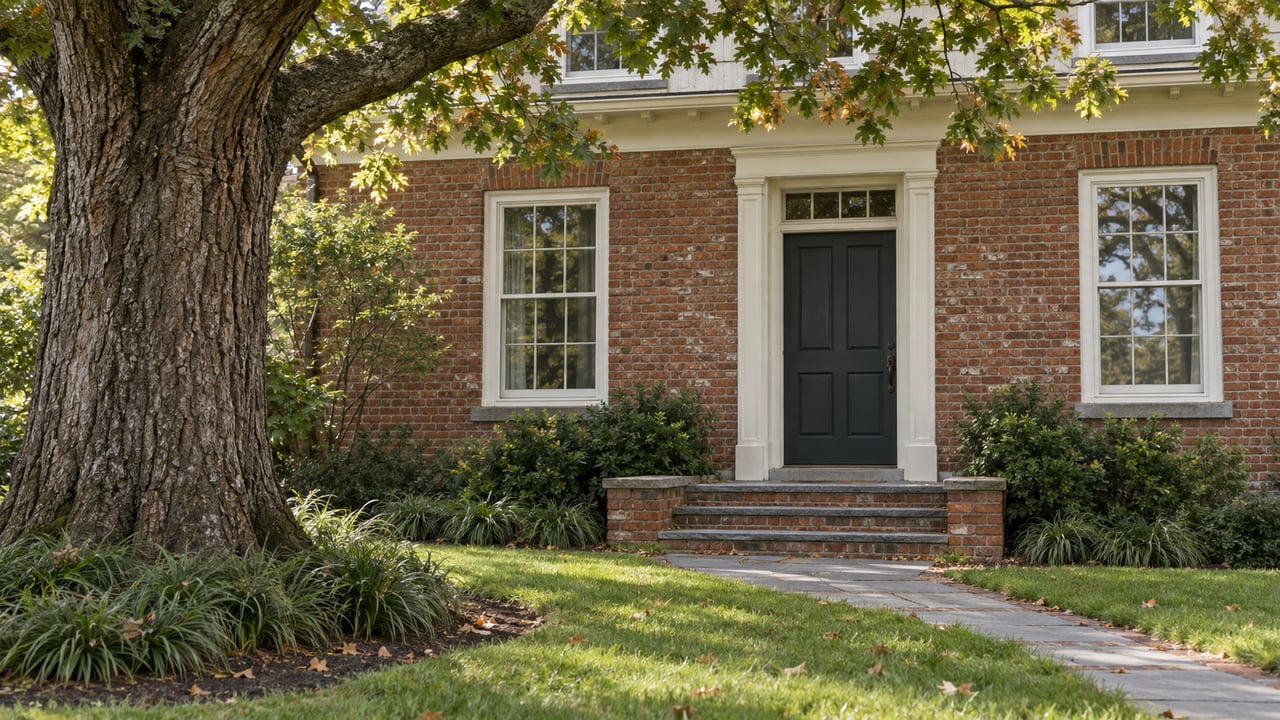
Takoma Park's code describes its own purpose in plain terms: the city exists "to preserve, protect and promote the urban forest of Takoma Park." That language sits inside Chapter 12.12 of the municipal code, and it is not decorative.
Every contract of sale in Takoma Park carries a disclosure addendum, GCAAR Form 1357, that notifies the buyer of the city's tree preservation rules before the deal closes. Most sellers read past it the same way they read past a homeowners insurance clause. The ones who don't are usually the ones who tried to remove a tree before listing and found out the timeline wasn't theirs to set.
Takoma Park's tree-permit guidance defines an "Urban Forest Tree" as one with a trunk measuring 24 inches or more in circumference, or roughly 7.625 inches in diameter, measured 4.5 feet above the ground. That threshold covers a lot of mature street trees and backyard shade trees across the city, not just landmark specimens.
The rule that catches more sellers off guard is the 50-foot buffer. The city's Tree Impact Assessment guidance says that any construction, grading, excavation deeper than three inches over more than 25 square feet, paving, or equipment storage within 50 feet of a qualifying tree can trigger a Tree Impact Assessment, a $50 inspection by the city's Urban Forest Manager. This applies even when the project has nothing to do with the tree itself. A seller adding a patio or regrading a side yard before listing photos can find their contractor's timeline running through City Hall.
The fee is not the friction. The friction is the calendar. The city's tree removal permit guidance says the Urban Forest Manager has three to five business days to inspect once a tree removal application is filed. What happens next depends on the tree's condition.
A seller who assumes a tree service can show up next Tuesday is working from the wrong calendar. The realistic floor, for a healthy tree with no appeal, is close to three weeks between application and removal. An appeal adds more.
Parts of Takoma Park sit inside the Takoma Park Historic District, and city code is specific about what that means for tree work. The city's historic preservation code says property owners inside the district boundary may need a Historic Area Work Permit from the Historic Preservation Commission before the city will even issue a tree removal permit. The two approvals run in sequence, not in parallel. A seller inside the historic district who skips this step can have the tree removal process stalled because the historic preservation paperwork never got filed.
Takoma Park bills its own Storm Water Management Fee separately from city property taxes. It is not included in a standard tax bill lookup, and the disclosure form directs both buyer and seller to inquire directly with the city to confirm the applicability and amount before closing.
Sellers of rental properties in Takoma Park carry an additional layer. City code requires the seller to provide the buyer with the two most recent annual Rent Reports and the two most recent Rental Housing Licensing Inspection Reports for the property, attached to the contract of sale. If those documents are missing or incomplete, the buyer has an unconditional right to rescind the contract and recover their deposit within five days of receiving notice and the reports. a seller who can't produce two years of clean rental licensing history is handing the buyer a contractual exit they may not have had otherwise.
None of this happens in a vacuum. As of August 2026, the median sale price across Takoma Park sat at $595,000, with homes taking a median of 43 days to sell, up from 39 days the same month a year earlier. That is a small shift, a few days, not a market reversal. But it changes what a permit delay actually costs.
In a faster market, a three-week tree permit process gets absorbed. Buyers wait, showings continue, nothing about the listing feels stalled. In a market where homes are already taking a few days longer to sell than they were a year ago, the same three weeks lands differently. It can push a listing from one weekend's worth of foot traffic into a slower one, or collide with a buyer's own financing or contingency deadlines on the other side of the transaction. The permit timeline doesn't care what the market is doing. The market cares what the permit timeline does to a seller's launch date.
The practical fix is sequencing, not urgency. A seller who wants a tree gone before listing photos should call the Urban Forest Manager weeks before signing a listing agreement, not after. Confirm whether the property sits inside the historic district. Ask the title company early whether the Storm Water Management Fee has been requested for proration. None of these steps are complicated on their own. They just need to start before the "for sale" sign does, not after.
Does the tree ordinance apply to every property with a Takoma Park address? Not necessarily. Some properties carry a Takoma Park mailing address but sit outside the incorporated city boundary, in unincorporated Montgomery County. Those properties are not subject to the city's tree ordinance, storm water fee, or rent stabilization rules. Confirming whether a specific address falls inside the city limits, rather than relying on the mailing address alone, is worth doing before assuming any of this applies.
What if the tree is already dead or clearly hazardous? Those cases move fastest. The city issues a permit immediately after inspection, with no public posting and no appeal period, because the ordinance's replanting and notice requirements are built around healthy, non-hazardous trees.
Can a seller just skip the disclosure form? No. The Notice of Tree Preservation and Replacement Requirements is attached to the standard Takoma Park contract of sale addendum.
If you're weighing a Takoma Park listing and want to sequence the paperwork before the yard sign goes up, Kerri Murphy can walk through what your specific property will need and when to start. Let's Connect.
This article is general information, not legal, tax or financial advice. Consult a qualified professional about your situation.
Stay up to date on the latest real estate trends.
Buying or selling a home should feel clear and supported. With local expertise and a client-first approach, every step is handled with care—so you can move forward with confidence.