Silver Spring MD Lifestyle and What Living Here Feels Like
July 16, 2026
July 16, 2026
If you are trying to figure out whether Silver Spring really fits your day-to-day life, you are not alone. On paper, it offers transit access, housing variety, parks, and a lively downtown, but what matters most is how those pieces actually feel once you live there. This guide will help you understand what Silver Spring is like, what kinds of homes you will find, and who tends to feel most at home here. Let’s dive in.
Silver Spring feels more layered than many people expect. It is not just one downtown strip, and it is not purely suburban either.
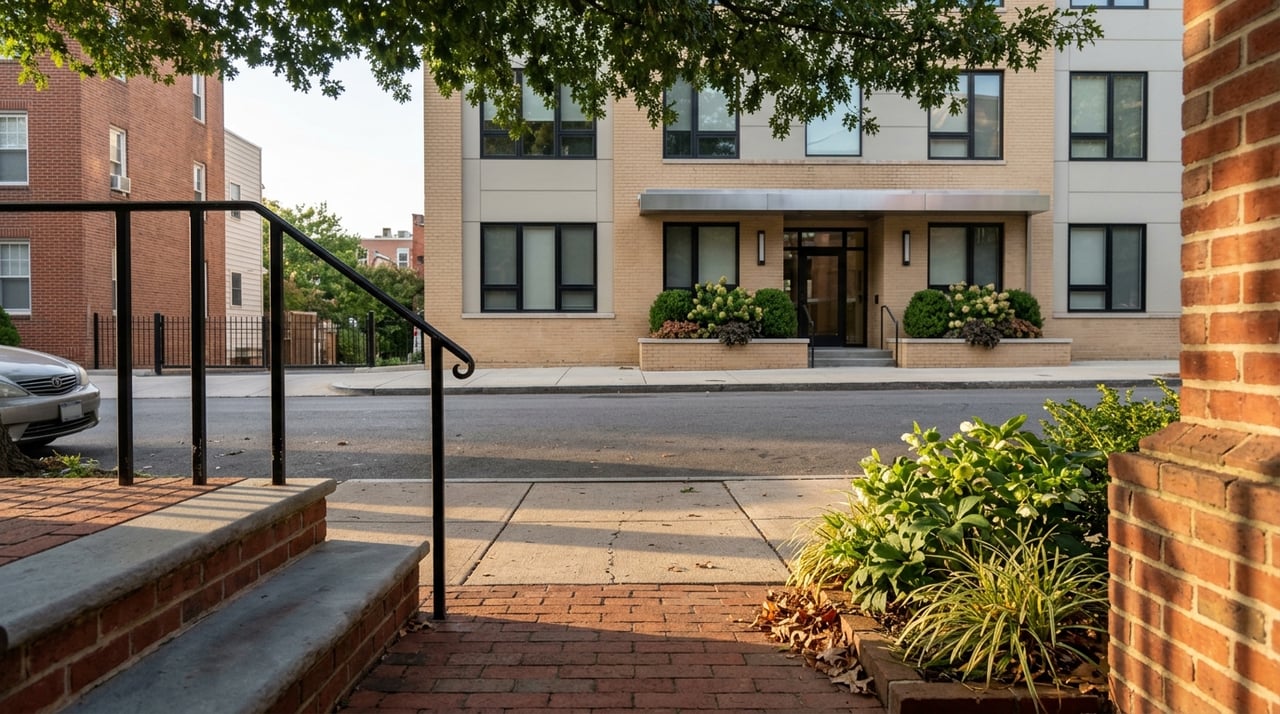
The area combines a busy, transit-oriented core with quieter residential pockets nearby. County planning describes downtown Silver Spring as pedestrian-friendly, green, and mixed-use, with connected areas that extend into places like Woodside, Woodside Park, and East Silver Spring.
It is also a notably diverse community. The 2024 American Community Survey estimated a population of 77,793, with 35.5% of residents born outside the U.S. and 44.8% of residents age 5 and up speaking a language other than English at home.
That mix shapes everyday life in a real way. You see it in the food options, the street activity, the housing choices, and the range of people who choose to call Silver Spring home.
One of the best ways to describe Silver Spring is balanced energy. Near the downtown core, life moves faster, with more foot traffic, more apartment and condo buildings, and easier access to transit, shops, and entertainment.
As you move outward, the feel changes. Residential streets and smaller neighborhood pockets can feel calmer, with more detached homes and a little more separation from the busiest blocks.
That range is part of Silver Spring’s appeal. You can often choose between a more urban, car-light lifestyle and a more traditional residential setting without leaving the broader community.
Density is part of the story, though. The 2024 ACS estimates about 10,277 people per square mile, so if you are comparing Silver Spring to more outer-suburban parts of Montgomery County, it will likely feel busier and more built-in.
If you are hoping for one clear housing type, Silver Spring may surprise you. The housing stock is varied, which gives buyers and renters several ways to enter the market.
According to the 2024 ACS, there were 34,614 housing units in Silver Spring, and 91.5% were occupied. About 43.1% of homes were in buildings with 20 or more units, while 29.9% were detached single-family homes and 5.5% were attached single-family homes.
That means condos and apartments are a major part of the local housing picture. At the same time, detached homes are still a meaningful share of the market, especially if you are looking beyond the downtown core.
Housing age also varies. You can find older close-in properties, including homes and buildings from before 1940, as well as newer infill and homes built in 2020 or later.
Silver Spring offers choice, but it is important to go in with realistic expectations on cost. The 2024 ACS reports a median gross rent of $1,914.
For owners, the same survey puts the median value of owner-occupied homes at $668,500. Median monthly owner costs with a mortgage were reported at $2,890.
Home size is part of the equation too. Smaller units are common, with 29.4% of housing units listed as one-bedroom and 29.2% as two-bedroom.
For many first-time buyers, that means condos or smaller homes may be the most practical starting point. For move-up buyers, the broader Silver Spring area may offer more flexibility if you want a quieter setting or a different home layout.
Silver Spring is more renter-heavy than many suburban communities. The 2024 ACS found that 60.6% of occupied homes were renter-occupied, compared with 39.4% owner-occupied.
That can be useful context if you are trying to picture the local feel. In the denser parts of Silver Spring, a larger rental presence often goes hand in hand with bigger multifamily buildings and a more active street environment.
For buyers, that does not make ownership less appealing. It simply means you are entering a market where condos, apartment-style living, and mixed-use blocks play a big role in the local housing mix.
Transportation is one of Silver Spring’s strongest selling points. If you want options beyond driving everywhere, this is one of the more connected communities in Montgomery County.
WMATA lists Silver Spring station on the Red Line, and the Maryland Transit Administration includes Silver Spring on the MARC Brunswick Line. WMATA also notes a bus terminal entrance, bikeshare access, 39 bike racks, and 30 lockers at the station.
That setup can make commuting and regional travel easier, especially if you work in Washington or want flexibility. It can also support a more car-light lifestyle if you live close to the core.
Still, many households continue to use cars regularly. The 2024 ACS found that 48.4% of workers drove alone to work, while 17.5% used public transportation and 20.8% worked from home.
Mean travel time to work was 38.6 minutes. So while transit is a real asset, daily routines still vary a lot depending on where you live and where you need to go.
Silver Spring has a strong everyday energy, especially downtown. Visit Montgomery describes the area as pedestrian-friendly, with restaurants and stores by day and a state-designated Arts and Entertainment District at night.
That matters if you want more than just a place to sleep. Silver Spring offers the kind of environment where grabbing dinner, meeting a friend, or catching a show can feel built into the week instead of needing a long drive.
Local landmarks and gathering places help shape that rhythm. Visit Montgomery highlights places like the AFI Silver Theatre and Cultural Center, Downtown Silver Spring, and Veterans Plaza.
The Silver Spring Urban District also supports a calendar of public events, including a summer concert series, the Silver Spring Jazz Festival, and the Montgomery County Thanksgiving Parade. For many residents, that adds a sense of connection and activity throughout the year.
Even with its density, Silver Spring gives you access to meaningful outdoor space. That is one reason the area can appeal to people who want both urban convenience and room to get outside.
Montgomery Parks describes the Sligo Creek Trail as a roughly 10.2-mile hard-surface trail. It is a practical option for walking, running, biking, or simply breaking up the day with fresh air.
Martin Luther King Jr. Recreational Park adds another layer of recreation. Montgomery Parks describes it as a 95-acre park with indoor and outdoor swimming, tennis courts, ball fields, a playground, a HeartSmart Trail, and a small lake.
That mix helps balance out the busier side of Silver Spring living. You can have access to transit, restaurants, and events while still staying connected to green space.
Silver Spring can work well for several types of buyers and renters, but it is especially compelling if your priorities include access, variety, and flexibility. If you want walkability, transit, and multiple housing options in one community, it checks a lot of boxes.
It can make sense for first-time buyers looking at condos or smaller homes. It can also appeal to renters who want a central location and to move-up households who want a quieter residential pocket while staying connected to the larger Silver Spring area.
The tradeoff is that not every part of Silver Spring feels quiet or spacious. If your top priorities are larger lots, easier on-site parking, or a less dense setting, you will likely want to focus your search on the surrounding residential neighborhoods rather than the downtown blocks themselves.
That is why local guidance matters. Silver Spring is not one-note, and the right fit often comes down to matching your daily routine, housing goals, and comfort level with density to the right pocket of the market.
Living in Silver Spring often means having choices close together. You may be able to commute by Metro or MARC, spend time in parks, meet friends downtown, and still come home to a more residential street depending on where you land.
It also means accepting some tradeoffs. The convenience, housing mix, and activity level that make Silver Spring appealing can also bring more density, more renters, and a more urban feel in certain areas.
For many people, that balance is exactly the point. If you want a community that feels connected, active, and flexible, Silver Spring is worth a serious look.
And if you want help figuring out which part of Silver Spring best matches your lifestyle, budget, and goals, Kerri Murphy can help you make sense of your options with calm, local guidance.
Stay up to date on the latest real estate trends.
Buying or selling a home should feel clear and supported. With local expertise and a client-first approach, every step is handled with care—so you can move forward with confidence.