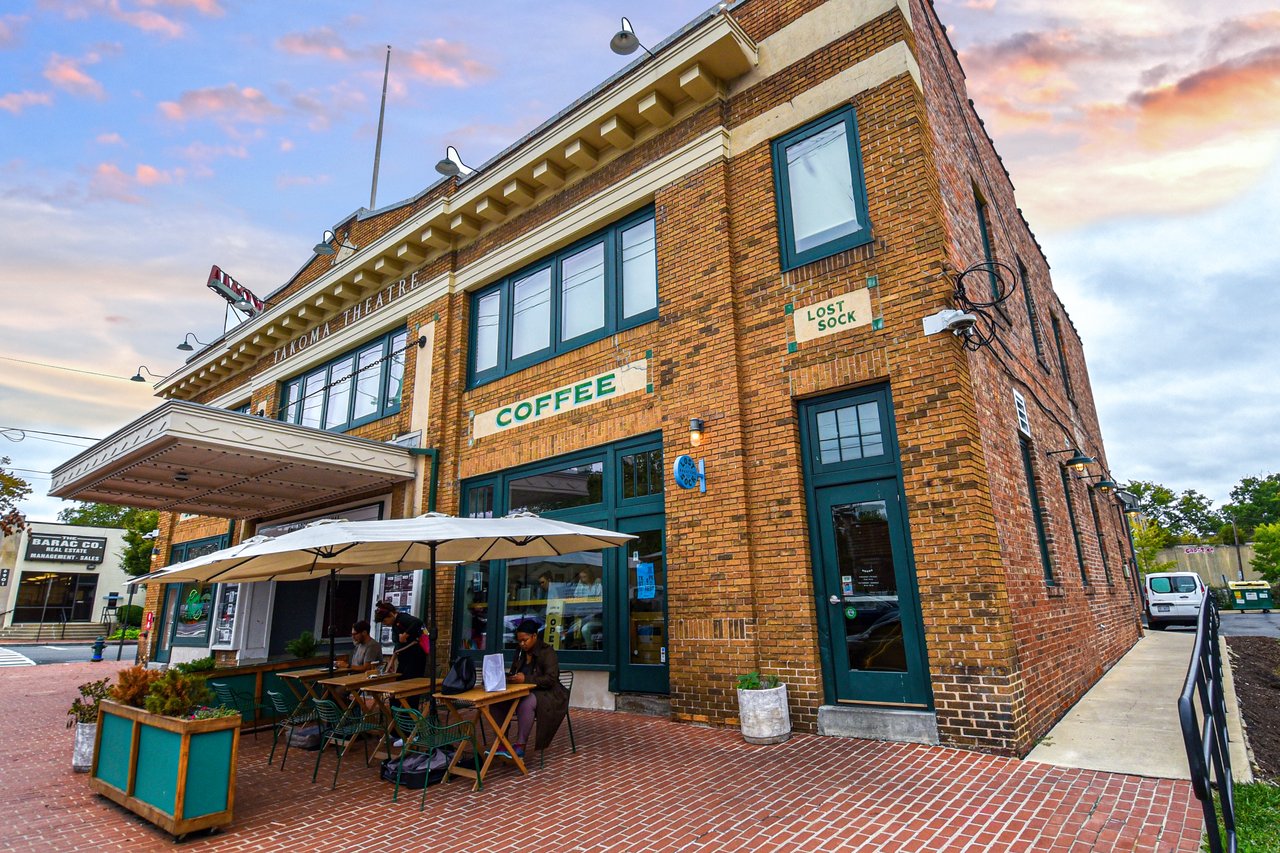
Brightwood DC Neighborhood Guide: What Daily Life Feels Like
May 14, 2026
May 14, 2026
If you’re thinking about moving to this part of Northwest DC, you probably want more than a few listing photos and a map pin. You want to know what the neighborhood feels like day to day. What kinds of homes are here? Where do people run errands? Is it easy to get outside? What’s the commute actually like?
Brightwood tends to appeal to buyers who want a neighborhood that feels residential and grounded, while still staying connected to the rest of the city. You’ll find a mix of housing styles, access to green space, strong transit connections, and a growing number of everyday conveniences nearby.
Here’s a closer look at what living in Brightwood is really like.
Brightwood sits in Ward 4 in upper Northwest DC. While DC doesn’t have official neighborhood boundaries, the Brightwood Community Association has historically described the neighborhood as stretching from Aspen Street to the north, Kennedy Street to the south, Rock Creek Park to the west, and Georgia Avenue to the east.
One of the things that makes Brightwood appealing is its location. You’re tucked into a largely residential area, but still close to major corridors like Georgia Avenue and easy access points into the rest of DC and nearby Maryland.
One of Brightwood’s biggest strengths is the variety of housing.
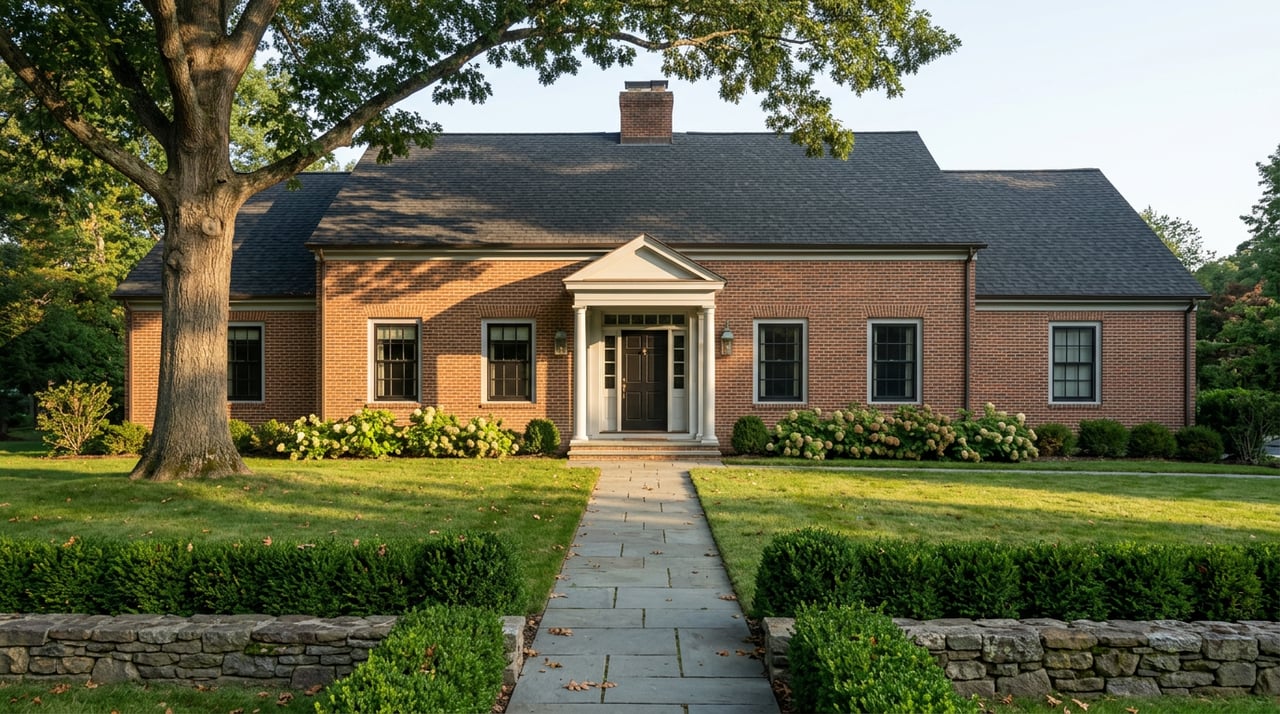
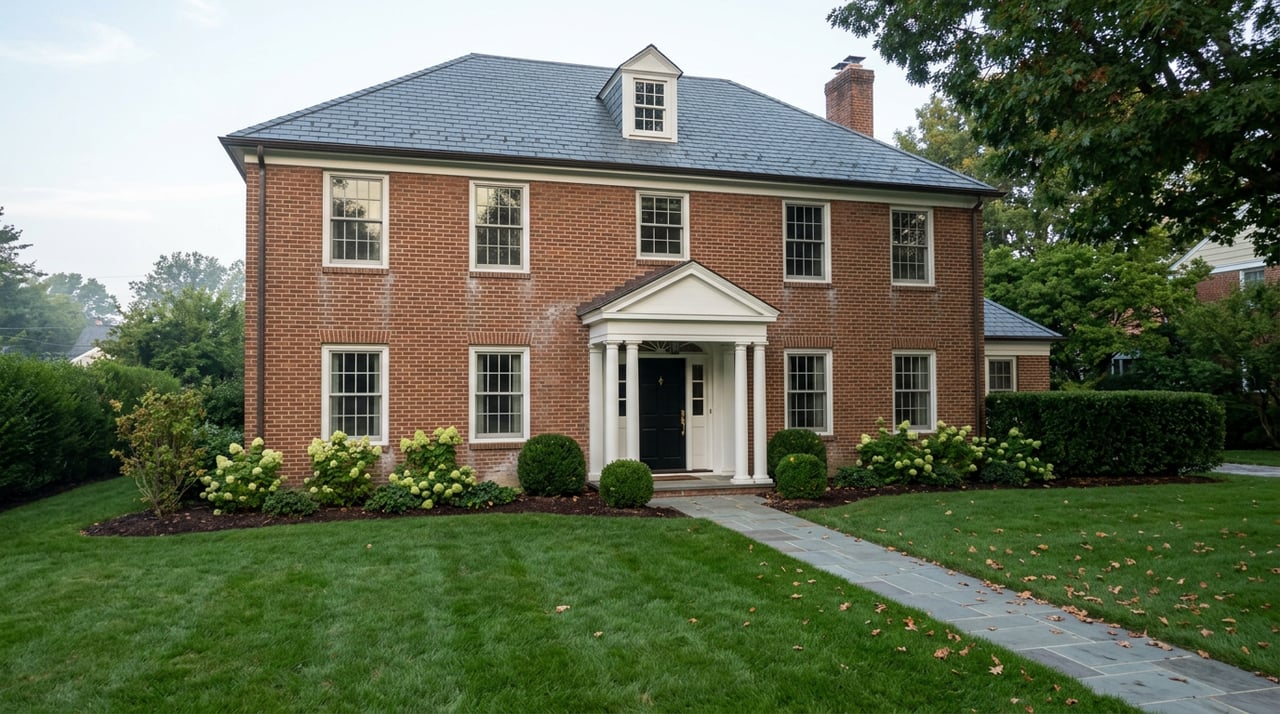
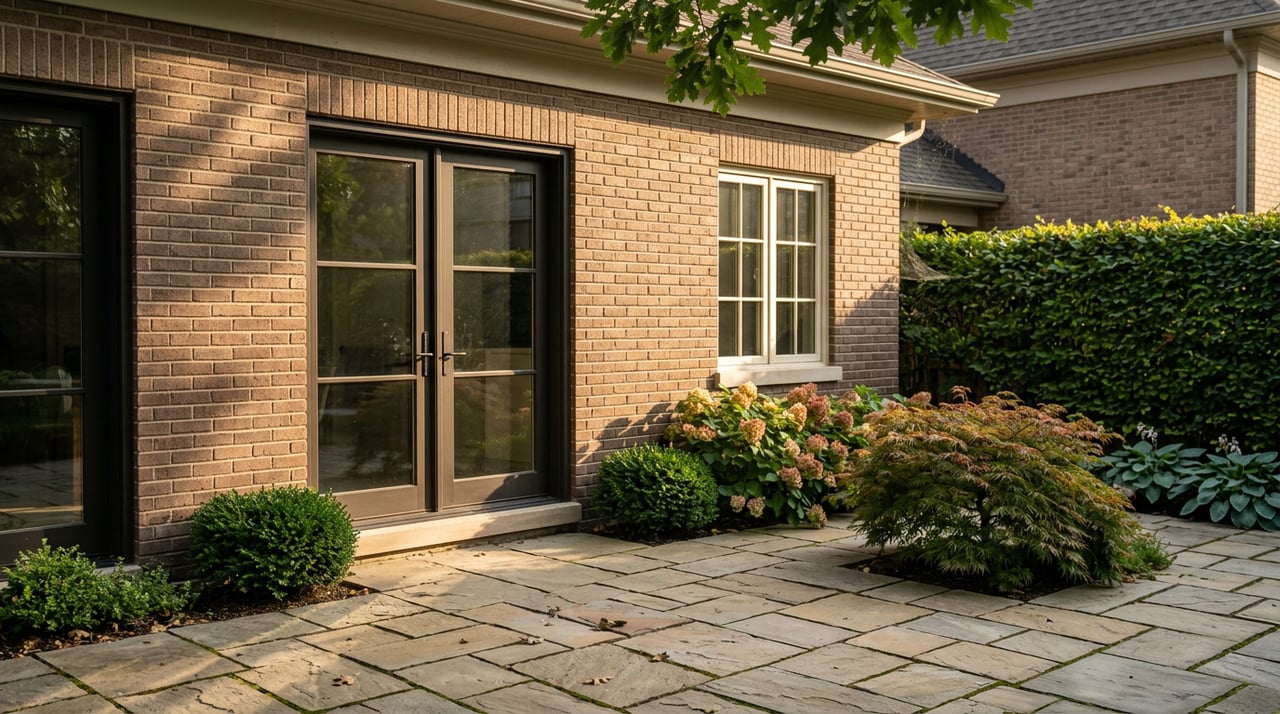
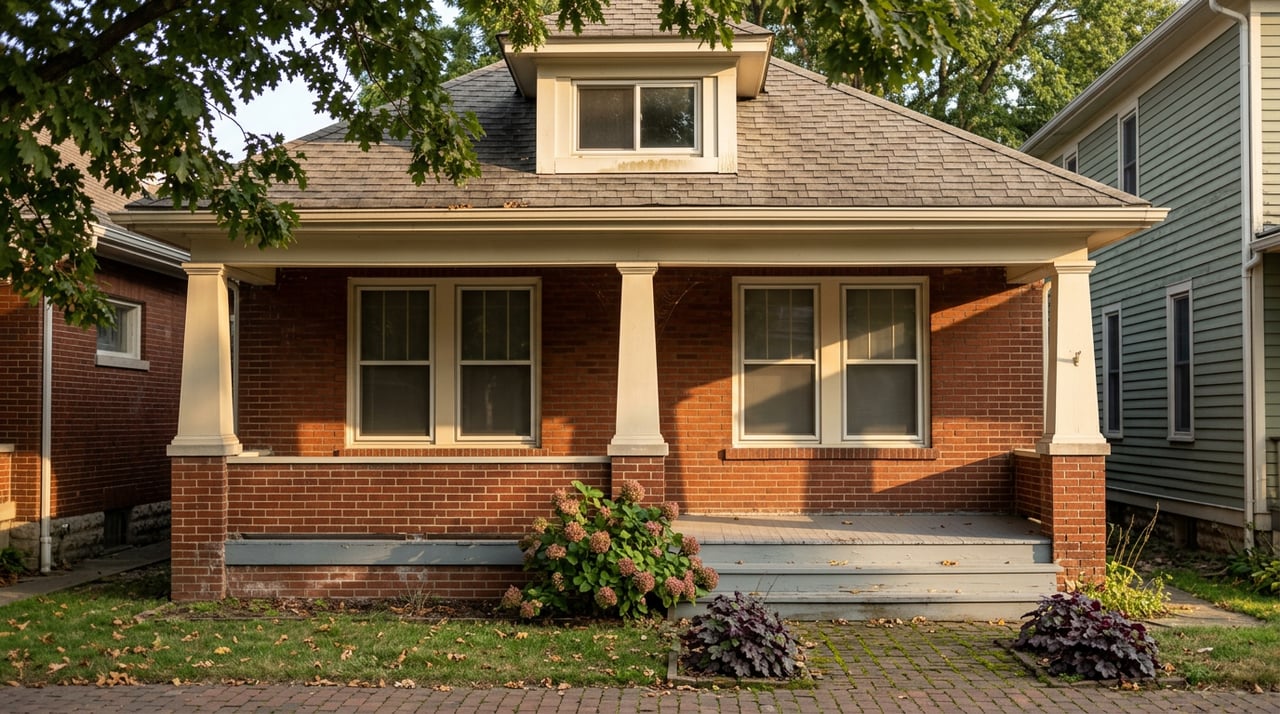
You’ll see a mix of rowhouses, detached single-family homes, duplexes, smaller apartment buildings, and attached homes throughout the neighborhood. In many parts of Brightwood, it’s common to see different housing types on the same block or within a few streets of each other.
For buyers, that flexibility matters. Depending on your priorities, you may find yourself comparing a classic DC rowhouse, a detached home with more outdoor space, or a smaller multifamily option instead of feeling boxed into one type of inventory.
Compared to some nearby neighborhoods with a more uniform housing stock, Brightwood tends to offer more range in both layout and price point.
Brightwood largely feels like a residential neighborhood first, with commercial activity concentrated along Georgia Avenue, Kennedy Street, and parts of 14th Street.
That layout shapes the rhythm of daily life here. Most streets feel quieter and more neighborhood-oriented, while errands, restaurants, coffee shops, and services tend to cluster along the main corridors.
It’s part of why Brightwood often appeals to buyers who want access and convenience without feeling like they’re living directly inside a dense commercial district.
A major part of Brightwood’s evolution has been The Parks at Walter Reed redevelopment.
The former Walter Reed campus has been transformed into a large mixed-use community that now includes housing, restaurants, retail, Whole Foods, Marketplace Plaza, Chase Bank, Juneberry Garage, and additional neighborhood amenities.
Over time, the redevelopment is expected to include more than 2,200 housing units and over 20 acres of open space.
For residents, this has added a completely new layer of convenience to the area. Brightwood still retains its established residential character, but now has a growing mixed-use destination nearby that gives people more places to shop, gather, dine, and spend time outdoors.
If access to outdoor space matters to you, Brightwood has a lot going for it.
The neighborhood borders Rock Creek Park along its western edge, giving residents relatively easy access to trails, park roads, and large stretches of green space inside the city. Rock Creek Park includes more than 32 miles of trails, and parts of Beach Drive are closed to cars, making the area especially popular for walking, running, and biking.
For many people, this changes how they use the city week to week. Instead of needing to plan a dedicated trip just to get outside, outdoor access becomes part of everyday life.
Brightwood also benefits from neighborhood-level recreation amenities like Fort Stevens Recreation Center.
The recreation center includes a fitness center, tennis courts, playground, multipurpose field, community rooms, and additional public facilities.
These kinds of amenities may not always show up in listing photos, but they can make a real difference in day-to-day living once you actually live in a neighborhood.
Brightwood is closely tied to the Georgia Avenue corridor, which helps make commuting and local travel relatively straightforward.
Nearby Metro access includes:
Georgia Ave–Petworth (Green and Yellow Lines)
Fort Totten (Red, Green, and Yellow Lines)
Takoma (Red Line)
Depending on where you live, one or more of these stations may become part of your regular routine.
Bus access is also a major part of how many residents get around. Route D40 runs along Georgia Avenue and connects Brightwood to places like Petworth, Silver Spring, Downtown DC, and beyond.
For buyers trying to balance residential living with accessibility, that transit connectivity can be a meaningful advantage.
Most of Brightwood’s retail activity is centered along Georgia Avenue and Kennedy Street.
That’s where you’ll find many of the neighborhood’s restaurants, shops, services, and everyday conveniences. The addition of retail and grocery options at The Parks at Walter Reed has also expanded what residents can access close to home.
Brightwood tends to strike a balance that many buyers are looking for:
Residential streets and quieter blocks
Access to parks and outdoor space
Nearby retail and daily conveniences
Strong transit connections
You’re not living in the middle of a dense commercial district, but you also don’t feel disconnected from practical day-to-day needs.
When you put everything together, Brightwood feels practical, connected, and residential in a way that appeals to a wide range of buyers.
The neighborhood combines:
A mix of housing options
Access to green space
Established residential streets
Transit connectivity
Growing retail and mixed-use development
It’s the kind of place where daily life tends to feel manageable. You can commute into other parts of the city, run errands nearby, spend time outdoors, and still come home to streets that feel more residential than hectic.
Brightwood can work well for buyers looking for:
More housing variety
Access to outdoor space
A residential Northwest DC setting
Transit access into Downtown DC and surrounding neighborhoods
A neighborhood that continues to evolve while still feeling established
It can also appeal to buyers who are trying to balance budget, space, and location without limiting themselves to one specific housing style.
When you’re buying a home, you’re not just choosing the property itself. You’re choosing the rhythm of your everyday life.
That’s why understanding a neighborhood matters just as much as understanding the house.
In Brightwood, things like access to Rock Creek Park, the role of Georgia Avenue, nearby transit options, and the continued growth around Walter Reed all shape what daily life actually feels like once you live there.
If you’re considering Brightwood or comparing nearby Northwest DC neighborhoods, having local context can make the process feel much clearer and more manageable.
And when you understand both the homes and the lifestyle a neighborhood offers, it becomes much easier to make confident decisions.
Stay up to date on the latest real estate trends.
Buying or selling a home should feel clear and supported. With local expertise and a client-first approach, every step is handled with care—so you can move forward with confidence.