
Shepherd Park DC Relocation Guide for a Confident Move
June 4, 2026
June 4, 2026
Looking for a DC neighborhood that feels a little calmer without losing everyday convenience? If you are relocating and want tree-lined streets, character-filled homes, and solid access to both city life and nearby Montgomery County, MD, Shepherd Park deserves a closer look. This guide will help you understand what living in Shepherd Park is like, from housing and commute options to amenities and day-to-day feel, so you can decide whether it fits your next move. Let’s dive in.
Shepherd Park sits in Ward 4 in the northernmost part of DC, stretching from Aspen Street NW to the DC line and from Georgia Avenue NW west to Rock Creek Park, according to the Shepherd Park Citizens Association. It feels more residential and tucked away than many central DC areas, while still staying connected to major corridors and transit.
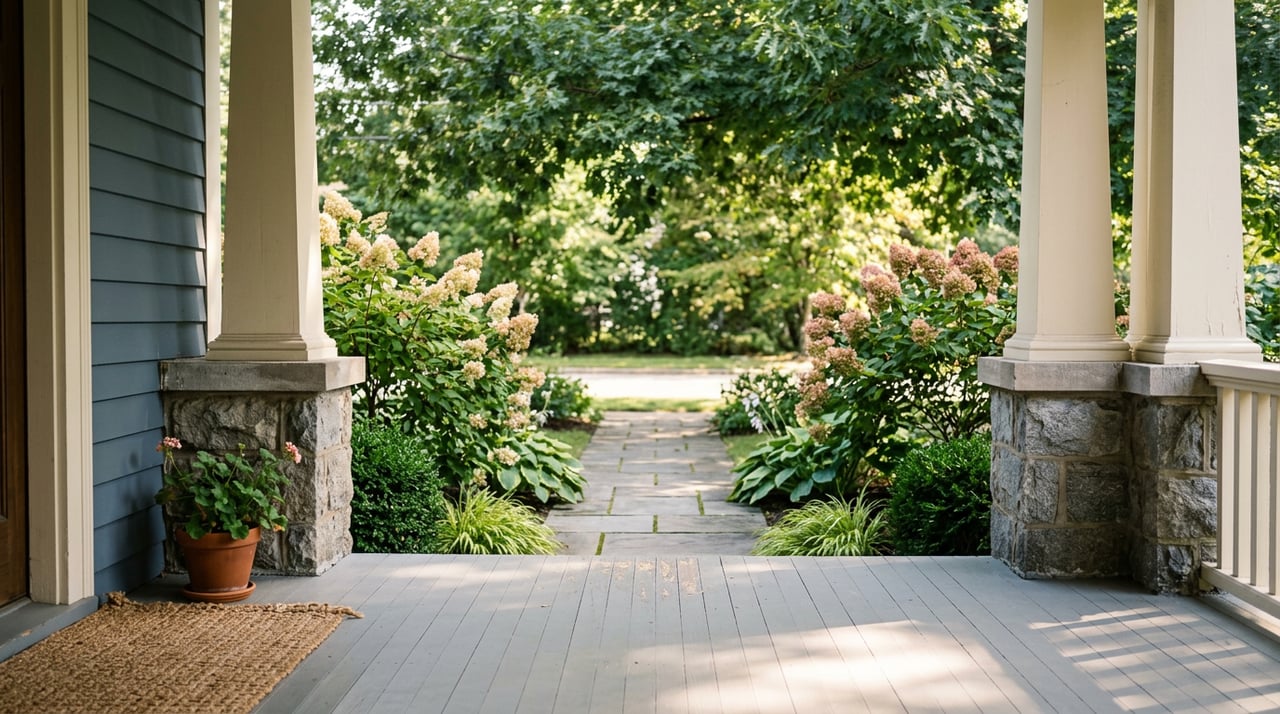
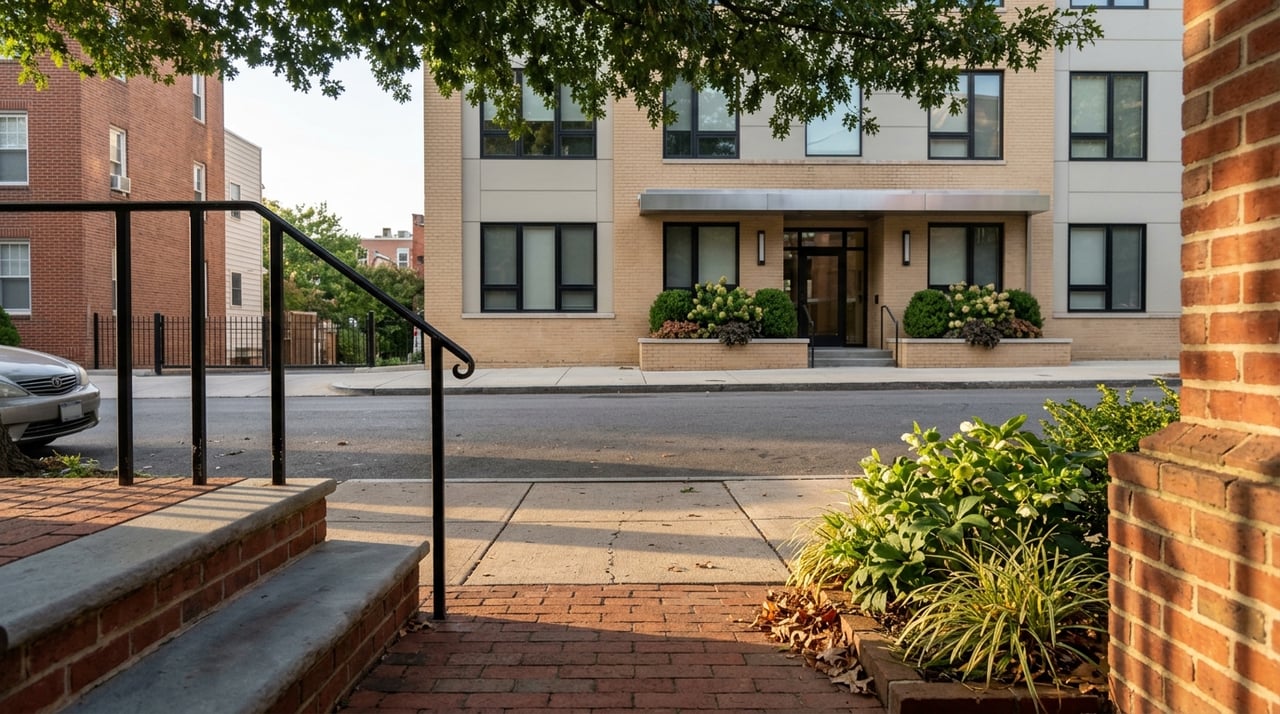
The DC Office of Planning describes Shepherd Park as a suburban neighborhood, and that description makes sense once you see the housing pattern and streetscape. Large detached homes, rowhouses, mature trees, and nearby Rock Creek Park all contribute to a quieter atmosphere. If you want a neighborhood that blends city access with a more settled pace, this area stands out.
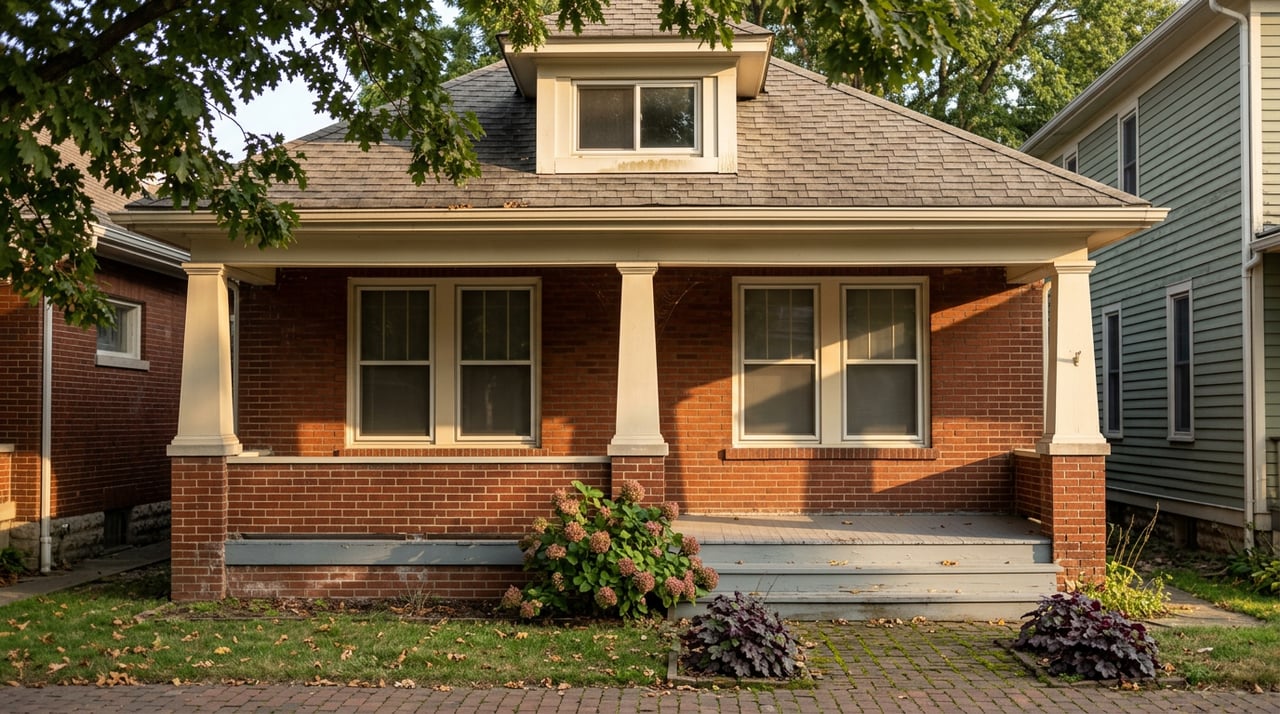
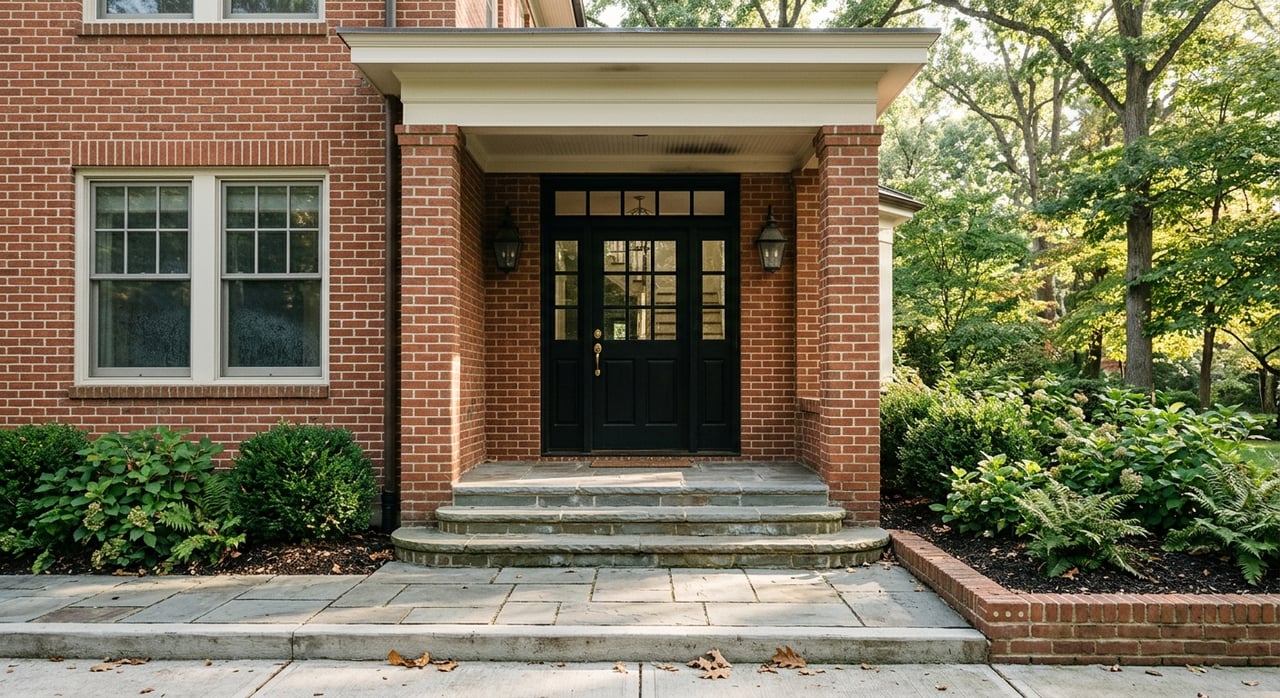
Shepherd Park is known primarily for detached homes and rowhouses. The area has large single-family detached homes and rowhouses, which gives the neighborhood a different feel from condo-heavy parts of the city. For many buyers, that is a major part of the appeal.
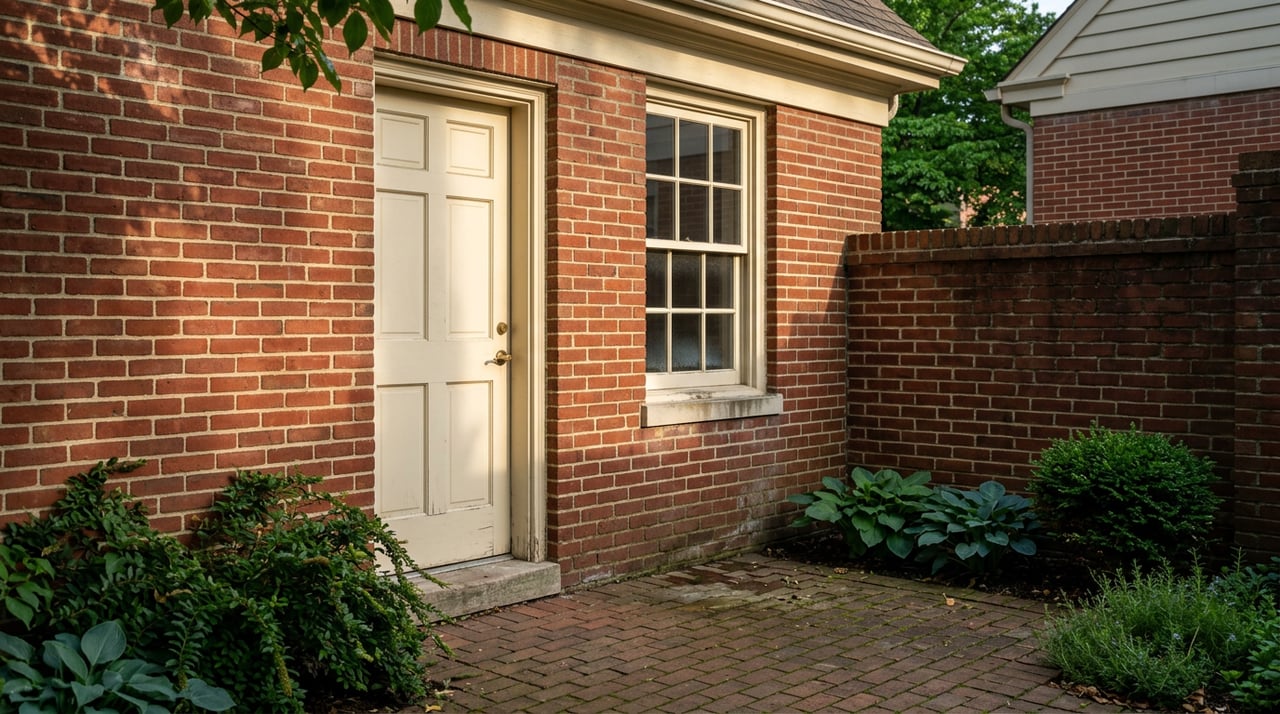
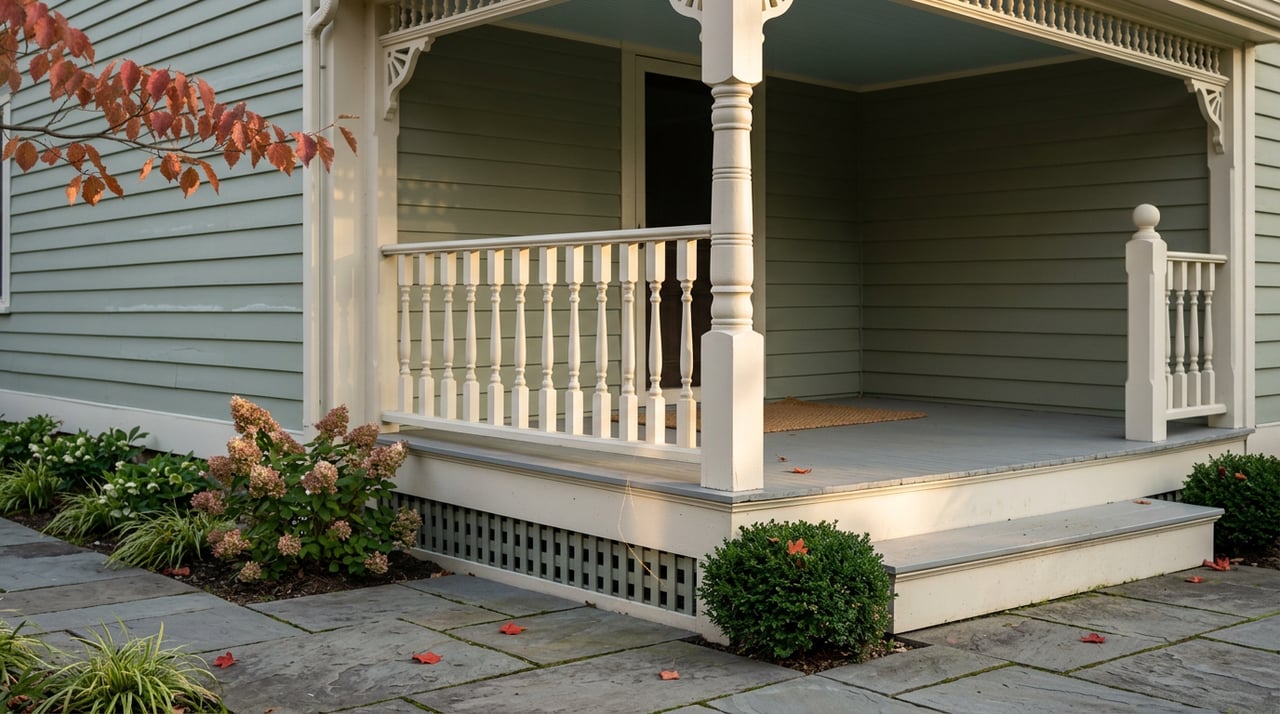
Much of the neighborhood was built in the 1920s and 1930s. Historic preservation documents note that a 1926 subdivision proposed about 200 single-family homes, with early construction leaning heavily toward Tudor and Colonial Revival styles. As a result, many homes here offer the kind of architectural detail and lot presence that buyers often associate with older DC neighborhoods.
Because of that older housing stock, shopping in Shepherd Park is often less about cookie-cutter comparisons and more about the specifics of each property. Layout, updates, lot size, and architectural character can all have a big impact on value and livability. If you are relocating from out of town, it helps to approach this as a character-home market rather than a one-size-fits-all search.
For recent pricing context, Zillow estimated the neighborhood’s average home value at $999,442 as of April 30, 2026. Redfin reported a median sale price of $1.1 million in March 2026. Those are different data points, but together they suggest a market that generally sits around the $1 million mark and above.
That does not mean every home will look the same or command the same price. In a neighborhood like Shepherd Park, the size and condition of the home, the extent of renovations, and the style of the property can all shape pricing. Buyers should expect variation and plan to look closely at each home on its own merits.
One of the clearest things about living in Shepherd Park is that daily life tends to center on nearby corridors rather than a dense commercial core inside the neighborhood itself. Georgia Avenue serves as Ward 4’s major commercial spine, and local business listings show neighborhood-serving businesses along Georgia and the Parks at Walter Reed. That setup can appeal to buyers who want a residential setting without feeling isolated from essentials.
Nearby shopping and dining have also expanded thanks to The Parks at Walter Reed redevelopment. This area now includes a Whole Foods, a retail marketplace, and restaurants such as The Charmery, and Mezeh Mediterranean, along with other services. The broader Walter Reed project is expected to include more than 2,200 residential units when complete, adding even more activity nearby.
For many relocators, this balance is part of Shepherd Park’s appeal. You can enjoy a quieter home base while still having grocery, dining, and services within easy reach. It often feels practical rather than hectic.
If neighborhood feel matters to you, Shepherd Park has a strong network of local institutions. The Shepherd Park Citizens Association serves more than 4,500 residents and hosts meetings on topics like planning, zoning, public safety, and the environment. It also organizes annual events including a picnic, yard sale, potluck dinner, garden tour, and Halloween parade.
That kind of civic activity can make a neighborhood feel established and connected. It gives new residents opportunities to learn how the community functions and get involved at their own pace. For buyers who want more than just a house, that can be an important part of the decision.
Another useful asset is the Shepherd Park/Juanita E. Thornton Library. DC Public Library says the branch offers Wi-Fi, study rooms, meeting rooms, public computers, and printing. For remote workers, students, and anyone who wants a reliable neighborhood resource, that adds meaningful day-to-day value.
Shepherd Park is also walkable to Rock Creek Park and the Great Lawn at the Parks at Walter Reed.
For buyers paying attention to nearby public resources, Shepherd Elementary serves PK3 through 5 and is an authorized IB PYP school. It is part of the Colonial Village, Shepherd Park, and North Portal Estates neighborhood cluster. If school access is one of your factors, it is worth confirming current enrollment and boundary details directly with the appropriate DC sources during your search.
The area also benefits from investment in shared community space. The Shepherd Park Community Center project adds a gymnasium, multipurpose room, and fitness center attached to Shepherd Elementary.
For many people relocating to DC, commute and regional access are just as important as the home itself. Shepherd Park performs well here. Takoma Station on the Red Line borders DC and Maryland and serves the Takoma and Takoma Park neighborhoods, making rail access a realistic option nearby.
Bus service is also a major advantage. WMATA’s D60 route runs through Shepherd Park, Brightwood, Meridian Hill, and downtown DC, with 24-hour service along 16th Street. If you prefer a straightforward bus commute or want a backup to driving and rail, this corridor is especially useful.
For drivers, the neighborhood’s position near the District line makes it practical to head north toward Silver Spring and Takoma Park or south toward downtown DC. If your life crosses city and suburban lines, that location can make daily movement easier. This is one reason Shepherd Park often appeals to buyers comparing options on both sides of the DC-Maryland border.
Relocating to Shepherd Park usually means weighing lifestyle fit as much as square footage. If you want a walk-everywhere commercial district right outside your door, this neighborhood may feel more residential than expected. If you prefer quiet streets and are comfortable accessing shops and dining along nearby corridors, that same quality may be a plus.
It is also smart to pay attention to the details of individual homes. Because many properties date back nearly a century, two homes at a similar price point can offer very different levels of renovation, layout flow, and maintenance needs. A thoughtful, well-guided search can help you sort through those differences with less stress.
If Shepherd Park sounds like the kind of place where you could settle in, the next step is seeing how it matches your budget, commute, and daily routine. A neighborhood can look great on paper, but the right fit comes from connecting the facts with how you actually live. If you want support comparing Shepherd Park with nearby DC and close-in Maryland options, Kerri Murphy can help you make a clear, confident move.
Stay up to date on the latest real estate trends.


Buying or selling a home should feel clear and supported. With local expertise and a client-first approach, every step is handled with care—so you can move forward with confidence.