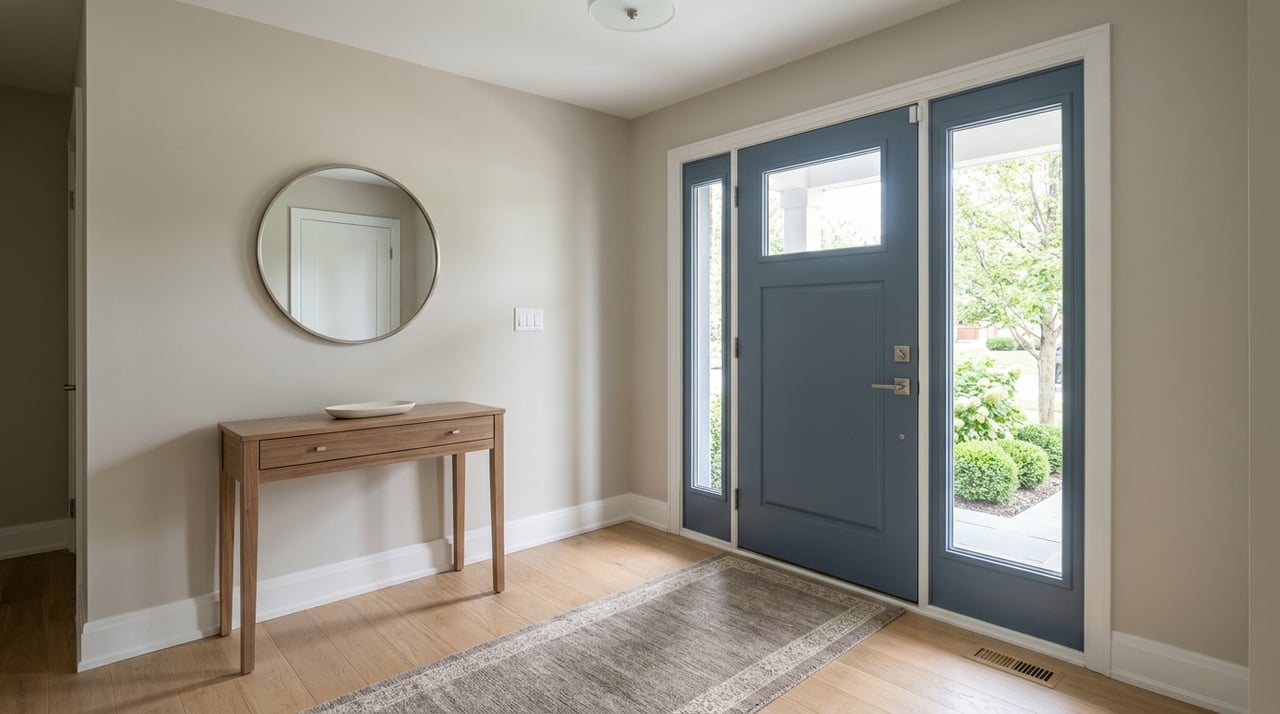
Preparing Your Kensington MD Home To Sell With Less Stress
June 18, 2026
June 18, 2026
Selling your home can feel like a full-time job before it ever hits the market. If you are getting ready to sell in Kensington, you may be wondering what actually matters, what can wait, and how to avoid turning a simple prep plan into an exhausting project. The good news is that a lower-stress sale usually comes down to the right order of operations, a clear understanding of local rules, and a focus on the updates buyers notice most. Let’s dive in.
One of the easiest ways to reduce stress is to begin with the items that can affect your timeline. In Maryland, sellers of many single-family residential properties use a standard disclosure or disclaimer form with additional forms as needed based on the specifics of the property. These disclosures cover a wide range of topics, including roof, structure, plumbing, electrical, HVAC, pests, water and sewer, land use, lead-based paint, radon, smoke alarms, and carbon monoxide alarms.
Maryland does not require you to get a separate inspection just to complete the form. However, you do need to disclose what you actually know. It's important to have all of these disclosures completed before you go on the market so they can be share with buyers.
For condo sellers, the paperwork load can be heavier than the physical prep. Maryland law requires a condominium resale package no later than 15 days before closing, and buyers have a 7-day rescission period after receiving the required information. You can work with your property manager to get a copy of the resale package -- but don't order it too early.
When sellers feel overwhelmed, it is often because they are trying to do everything at once. A calmer approach is to move through prep in stages so each task supports the next one.
A practical order looks like this:
Deep clean the home
This sequence works well because it reduces uncertainty early. Instead of making random updates, you are building a plan around paperwork, condition, and presentation.
If you want the biggest impact with the least disruption, start by simplifying the space. Seller guidance from NAR puts decluttering, depersonalizing, deep cleaning, repairs, and staging at the center of pre-listing prep.
In real life, that usually means clearing counters, packing away extra furniture, removing out-of-season items, and putting personal items out of sight. These steps help rooms feel more open and easier for buyers to understand.
Decluttering also helps you see your home more clearly. Once surfaces are clean and storage areas are less crowded, it becomes much easier to spot the touch-ups that will make a difference.
In the DC area, it's also very common for homes to be vacant and professionally staged.
You do not need to reinvent your house to get it market-ready. In many homes, the most useful prep tasks are straightforward and manageable.
Prioritize simple updates like these:
These jobs improve first impressions without adding major cost or complexity. During showings, opening window treatments and turning on all lights can also help the home feel brighter and more inviting.
Not every repair deserves your time or money. If your home has larger issues, a smart next step is to gather estimates for major items like the roof, HVAC system, or appliances, even if you do not plan to replace them.
That information can help you price the home more accurately and prepare for buyer questions or repair requests. It also gives you a more grounded way to decide whether to fix something now, offer a credit later, or leave the item as-is if that is allowed and properly handled in the transaction.
A pre-sale inspection is optional, but it can help identify concerns in the roof, structure, plumbing, electrical, HVAC, insulation, fireplaces, and health-related areas such as mold, radon, lead paint, and asbestos. For some sellers, that extra clarity reduces surprises later.
Kensington sellers often ask whether they can make a few updates without triggering permit issues. Montgomery County says many cosmetic projects do not require permits, including painting, wallpapering, replacing faucets, installing countertops, installing hardwood floors or tile, and in-kind window or door replacements when there are no structural changes.
Bigger projects usually do require permits. That can include additions, decks, electrical work, interior alterations, and retaining walls.
If your property is historic or the exterior work falls under local review, there may be additional steps. The Town of Kensington maintains historic-preservation resources, and Montgomery County notes that permits are likely needed for exterior work on historic property. County guidance also says municipal and HOA rules may still apply, even when a project is otherwise exempt from a county permit.
The easiest way to avoid vendor chaos is to create a scope of work that's concentrated on items that affect safety, function, or first impressions. That keeps your prep list focused and helps you avoid over-improving right before you sell.
In Maryland, home-improvement contractors must be licensed through MHIC. Home-improvement contracts must be written and include the contractor’s name, address, MHIC license number, the work to be performed, the materials to be used, and approximate start and completion dates.
If your home was built before 1978, paid work that disturbs paint may also fall under the EPA Renovation, Repair and Painting rule. That means covered work must be done by certified firms unless there is documentation showing the paint is lead-free.
A short vendor checklist can help you stay organized:
If you are selling a condo in or near Kensington, your biggest stress point may be documents rather than drywall or paint. The resale package includes items such as bylaws, rules, budget information, reserve-fund information, pending suits, code-violation information, and insurance-deductible responsibility.
Montgomery County also notes that Home Owner Association (HOA) rules can affect things like sheds, landscaping, parking, and paint colors. Buyers should also check for outstanding violations before settlement, so it helps to get ahead of that early.
For detached homes, the prep focus is often more physical. Visible maintenance, curb appeal, and paperwork for repairs, systems, warranties, guarantees, and manuals tend to matter more.
One small task that can save frustration later is gathering the paperwork for anything that stays with the house. That can include warranties, guarantees, and user manuals for appliances, systems, and equipment.
This is easy to put off, but it is worth handling before your home goes live. Missing paperwork can create unnecessary back-and-forth when you are already juggling showings, negotiations, and moving plans.
The goal is not to make your home look brand new at any cost. The goal is to remove uncertainty for buyers and create a home that feels clean, cared for, and easy to evaluate.
That usually means better results with less stress. When your prep plan is organized around disclosures, practical updates, and the right local rules, you can move forward with more confidence and fewer last-minute surprises.
If you want a calm, organized plan for selling your home in Kensington, Kerri Murphy can help you sort through what matters, coordinate the next steps, and make the process feel far more manageable.
Stay up to date on the latest real estate trends.





Buying or selling a home should feel clear and supported. With local expertise and a client-first approach, every step is handled with care—so you can move forward with confidence.