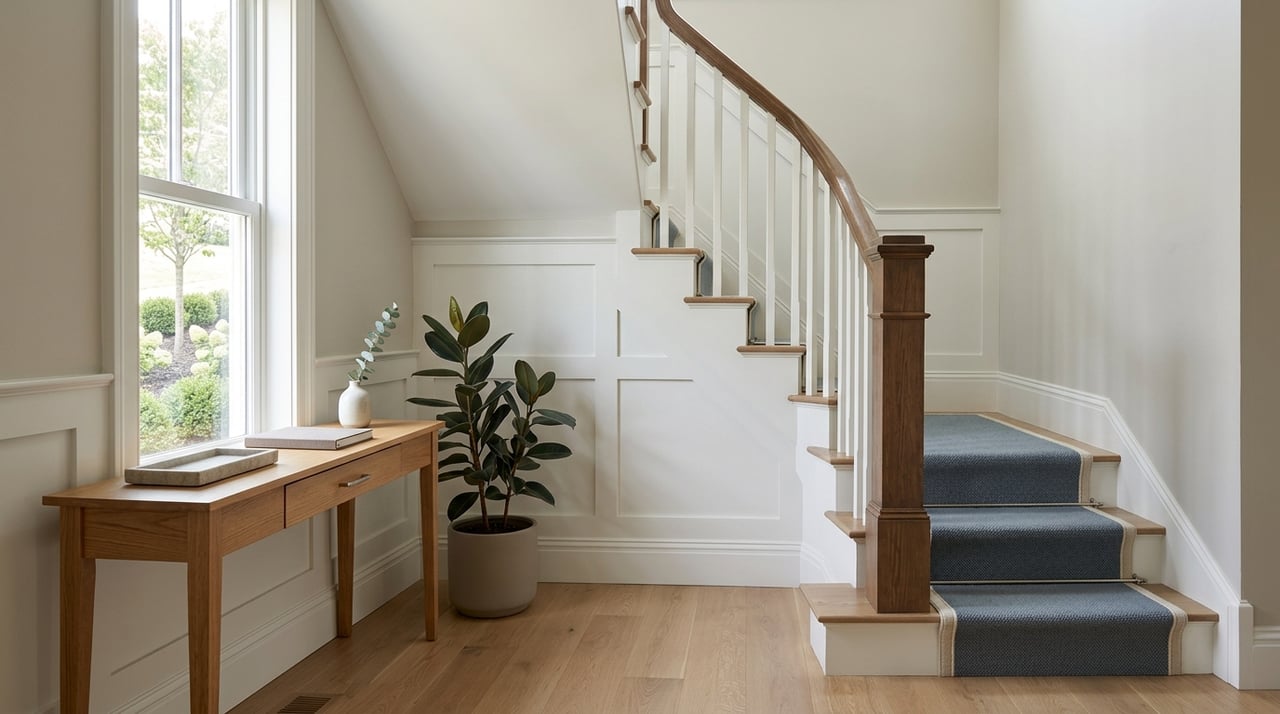
Planning To Sell In Bethesda? How To Prepare With Confidence
July 2, 2026
July 2, 2026
Selling in Bethesda can feel deceptively simple. Homes here often attract attention quickly, but that does not mean you can toss a few things in a closet and hope for the best. If you want to prepare with confidence, you need a clear plan for disclosures, repairs, timing, and presentation. Let’s dive in.
Bethesda remains a high-price, relatively fast-moving market. Redfin’s May 2026 data shows a median sale price of $1,294,225, median days on market of 19, and 243 homes sold that month, with prices up 3.1% year over year.
That kind of pace can work in your favor, but it also raises the bar. Buyers often make quick judgments based on listing photos and first impressions, so the homes that feel polished and ready tend to stand out early.
Before you think about paint colors or throw pillows, focus on the items that can affect your sale later. In Maryland, sellers must provide a standardized residential property disclosure or disclaimer statement, and the seller’s agent should obtain it when the listing is taken.
That form covers known latent defects and major systems or conditions, including water and sewer, roof, foundation, plumbing, electrical, HVAC, wood-destroying insects, hazardous materials, smoke alarms, and carbon monoxide alarms. It is important, but it is not a warranty and it does not replace an independent inspection.
If your home was built before 1978, lead-based paint rules also matter. Federal law requires disclosure of known lead-based paint information before contract, and buyers receive a 10-day window for an inspection or risk assessment.
If you are planning repairs or updates that could disturb lead paint, that work must be handled by lead-safe certified contractors. This is one reason early planning matters so much, especially if you are trying to avoid delays close to launch.
In Montgomery County, some home improvement projects require permits. That can include electrical work, HVAC replacement, additions, decks, fences, retaining walls, and pools.
Routine painting, caulking, gutters, floor coverings, and some repairs usually do not require a permit. Still, it is worth confirming your specific scope before work begins, especially if you are fixing issues that came from an older renovation or inherited project list.
If your property is in a historic district or on the county master plan, exterior work may also require a Historic Area Work Permit. Ordinary maintenance and some minor repair work may be exempt, but larger exterior changes should be reviewed early because approval can take time.
It is easy to assume you need a major remodel before listing. In most cases, that is not the first place to spend your time or money.
A smarter approach is to prioritize visible, photo-friendly improvements unless there is a safety issue, defect, or permit-triggering project that truly needs deeper work. In a market like Bethesda, where buyers move quickly, presentation often has a bigger day-one impact than a discretionary renovation.
According to the 2025 NAR staging report, sellers’ agents most often recommend:
These are simple on paper, but they are powerful in practice. They help your home look better online, show better in person, and feel easier for buyers to understand.
You do not need to perfectly style every inch of your home. Focus first on the spaces that most influence buyer perception.
NAR found that staging matters most in the living room, primary bedroom, dining room, and kitchen. Those rooms often anchor a buyer’s overall impression of the home.
Staging also helps buyers picture themselves in the space. In NAR’s report, 83% of buyers’ agents said staging made it easier for buyers to envision the home as their future place.
If you are deciding between DIY staging and professional help, budget can be part of the conversation. NAR reported a median staging service cost of $1,500, which can be useful context as you weigh your options.
Your online debut matters. For many buyers, listing photos are the first showing.
NAR says 81% of buyers rated listing photos as the most useful feature in online home search. On the seller side, 88% of sellers’ agents said photos were much more important or more important to their clients.
That means photography should come after the home is truly ready, not before. If rooms are half-cleared, repairs are unfinished, or surfaces still look busy, your photos may undercut the full value of the work you have already done.
One of the best ways to reduce stress is to give yourself enough runway. A practical planning model for Bethesda is often about 4 to 8 weeks, based on the time needed to review disclosures, sort out repair questions, confirm whether permits or historic approvals apply, complete any lead-safe work, and then move into staging and photography.
Here is a simple planning sequence to keep in mind.
Start with a full property walk-through and gather your basic paperwork. This is the time to flag known issues, review disclosure needs, and identify any questions around permits, lead-based paint, or historic review.
It also helps to start a running list of what is essential, what is cosmetic, and what can be left alone. That clarity makes every later decision easier.
Next, get estimates and decide what is worth doing. Separate true repairs from optional updates so you can spend intentionally.
This step matters because not every to-do list item adds value in the same way. You want to solve real issues first, then improve how the home shows.
This is when the visible transformation happens. Complete repairs, declutter, deep clean, and stage the main living spaces.
For many sellers, this phase takes longer than expected. NAR says the typical seller had owned their home for 11 years before selling, so sorting, storage, and decision-making can be more involved than a quick weekend clean-out.
In the last stretch, schedule photography, confirm showing access, and do a final readiness check. The key is to launch only when the home is camera-ready.
That extra patience can make a real difference. In a fast-moving market, your first impression often carries the most weight.
If you want a simple way to stay on track, start here:
Selling a home is not just about putting a sign in the yard. It is a sequence of decisions, and the smoother that sequence is, the more confident you will feel.
In Bethesda, where buyers are active and expectations are high, thoughtful preparation gives you a stronger start. When you handle compliance early, focus on the improvements buyers actually notice, and launch only when the home is fully ready, the process tends to feel much more manageable.
If you are getting ready to sell in Bethesda and want calm, organized guidance from the start, Kerri Murphy can help you create a thoughtful plan that fits your home, your timing, and your next move.
Stay up to date on the latest real estate trends.
Buying or selling a home should feel clear and supported. With local expertise and a client-first approach, every step is handled with care—so you can move forward with confidence.