Chevy Chase MD Move Guide: What Daily Life Feels Like
July 9, 2026
July 9, 2026
Thinking about moving to Chevy Chase and wondering what daily life actually feels like? That is usually the real question behind any home search. Beyond price points and property photos, you want to know how it feels to run errands, get around, spend time outside, and settle into a weekly routine. This guide will help you understand what to expect day to day in Chevy Chase so you can picture whether it fits your life. Let’s dive in.
One of the first things to know is that Chevy Chase is not one uniform town. Officially, it includes separate municipalities and areas like Chevy Chase Village, the Town of Chevy Chase, North Chevy Chase, and nearby Friendship Heights as part of the broader Chevy Chase landscape.
That matters because your day-to-day experience can vary depending on where you land. Some parts feel especially quiet and residential, while others place you closer to transit, shops, and busier commercial corridors.
Overall, Chevy Chase is known for a polished, established residential setting. Census figures for the Chevy Chase CDP show a 75.9% owner-occupied rate, a median owner-occupied home value of about $1.245 million, and 87.8% of residents living in the same house a year earlier. In plain terms, it tends to feel stable, rooted, and less transient than more urban nearby areas.
Chevy Chase is shaped more by a few major roads than by one central downtown grid. Montgomery Planning identifies East-West Highway, Connecticut Avenue, and Jones Bridge Road as key access corridors, and that pattern affects how you move through the area.
If you drive, your routine will likely revolve around those major routes. If you rely on transit, Friendship Heights is the main anchor for daily movement, especially for Metro access and bus connections.
Montgomery County describes Friendship Heights as a major transportation hub with more than 17,000 Metrorail trips each day. The area is also served by six Ride On routes, ten Metrobus routes, bikeshare, taxi, carpool and vanpool options, plus walking and biking access.
Ride On Route 1 runs daily between Friendship Heights Metro, Chevy Chase Circle, and Silver Spring Metro. Route 11 runs on weekdays between Friendship Heights and Silver Spring. WMATA also notes that Friendship Heights station has no parking, but it does offer bike racks, lockers, and bikeshare access.
For you, that means Chevy Chase can work well if you want transit options without living in a fully urban setting. Your exact convenience level will depend a lot on how close you are to Friendship Heights or a useful bus route.
You may hear the Purple Line mentioned when people talk about the area. It is important to frame that correctly. As of July 5, 2026, the Purple Line is still under construction, and the Maryland Transit Administration says it is expected to open to passengers in late 2027.
So if you are moving now, the Purple Line should be viewed as a future benefit rather than part of your immediate routine. That is especially relevant around Chevy Chase Lake, where redevelopment plans are centered around the future station area.
Chevy Chase is convenient, but the convenience is clustered. Instead of having retail spread evenly throughout the neighborhood, you will usually rely on a few commercial nodes for shopping, dining, and day-to-day errands.
That setup helps preserve the residential feel, but it also means your routine may include short trips to specific areas instead of walking to everything from every block.
Friendship Heights is one of the biggest convenience centers tied to Chevy Chase daily life. Montgomery County describes it as one of the region’s premier business, retail, and residential locations, with more than 2 million square feet of office space, over 1.25 million square feet of retail space, and about 200 stores.
Montgomery Planning also describes Friendship Heights as an urban area along Wisconsin Avenue with clustered retail, office, and restaurant uses. On the Montgomery County side, high-rise office and residential uses are especially prominent.
If you want easy access to shopping, restaurants, and transit, being near Friendship Heights can change your daily rhythm in a big way. It gives you a more mixed-use experience while still keeping you connected to the broader residential feel of Chevy Chase.
Chevy Chase Lake is the other important convenience node in the area. Montgomery Planning says the sector plan for Chevy Chase Lake focuses on redevelopment of a 25-acre center around the planned Purple Line station at Connecticut Avenue.
For buyers thinking long term, this is worth watching. Right now, it is more about where future convenience and connectivity may grow rather than what is fully in place today.
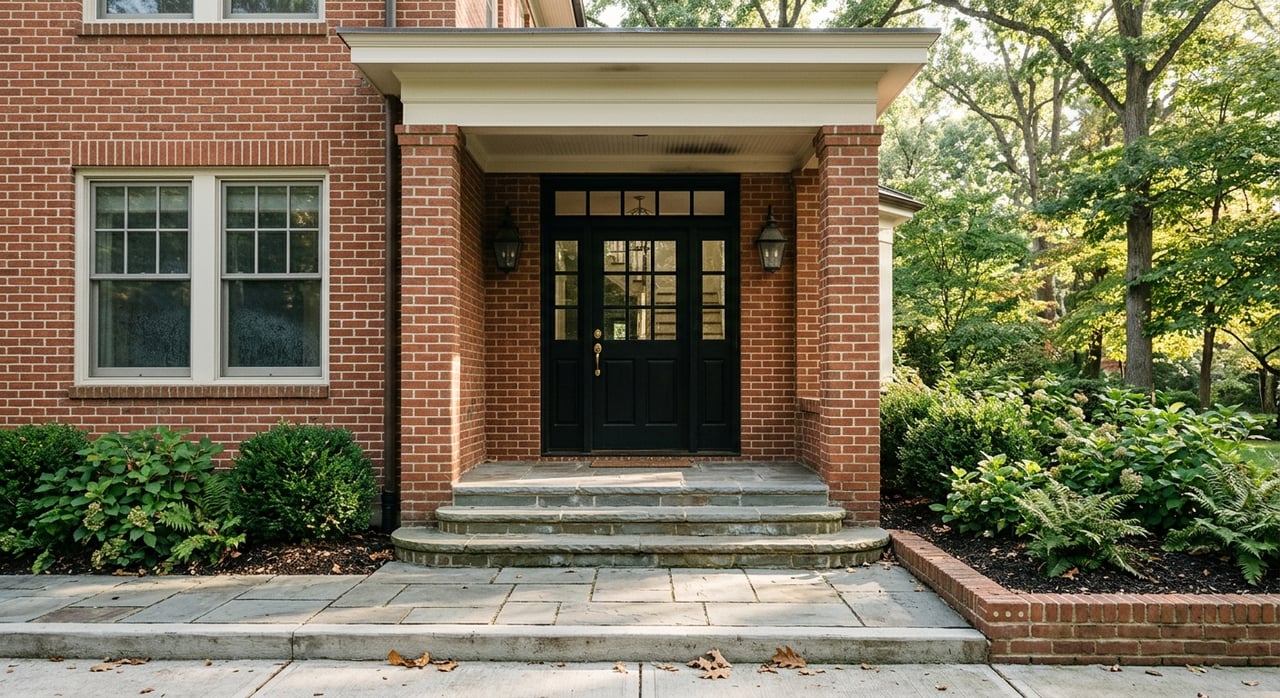
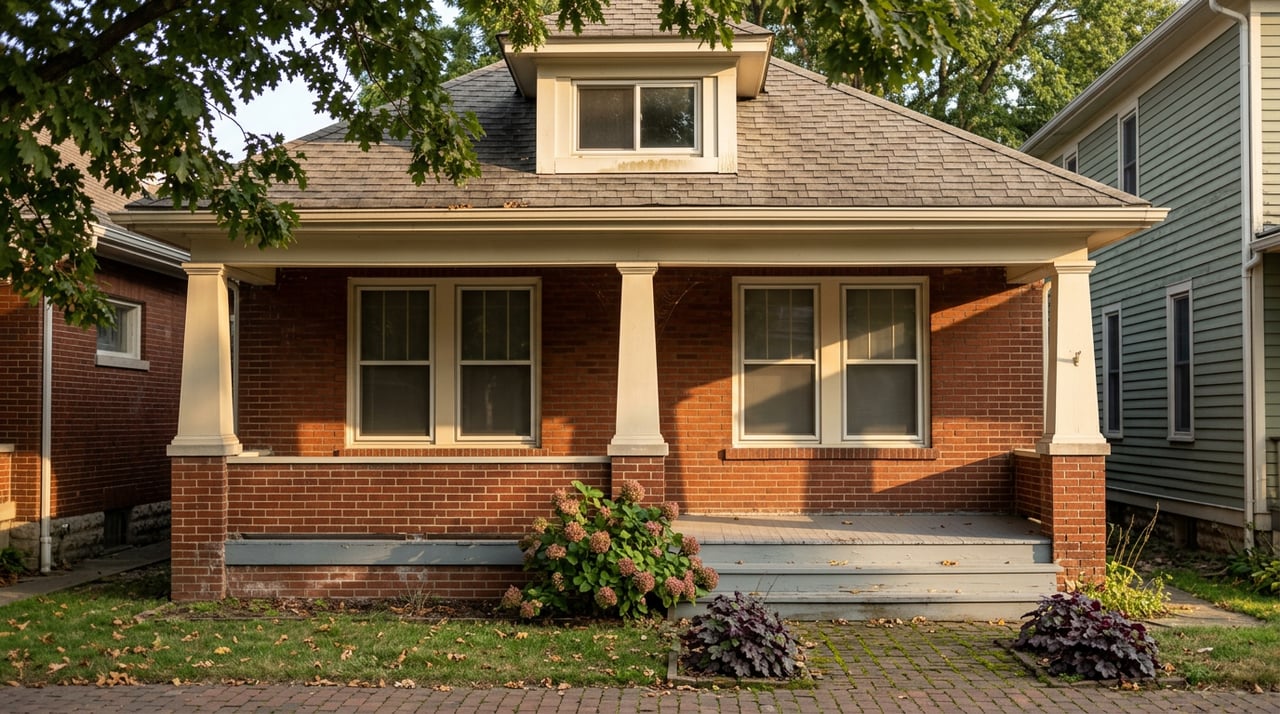
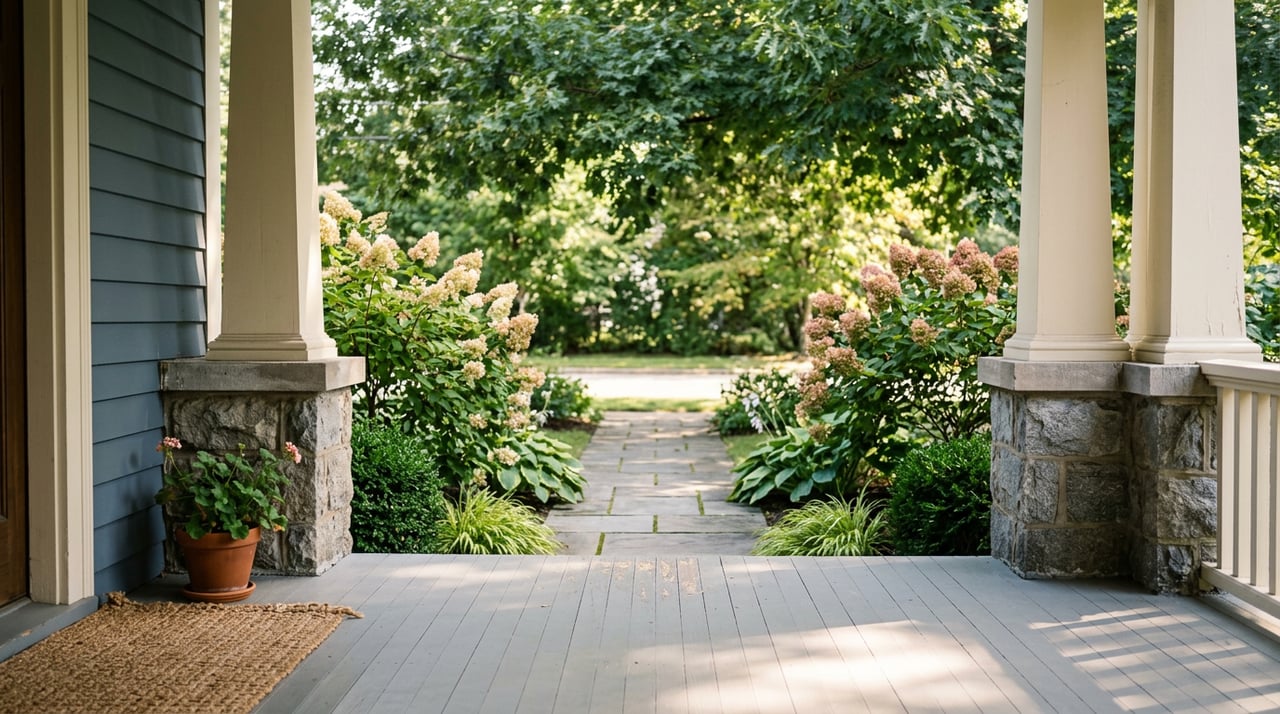
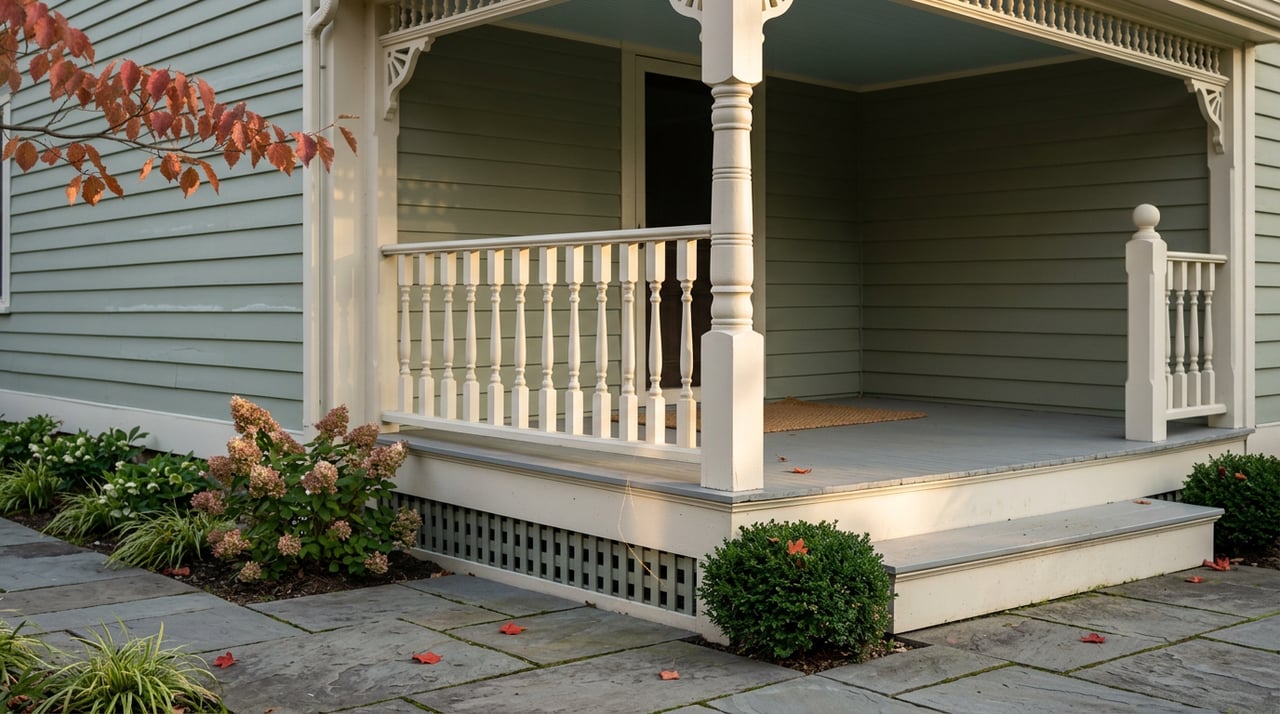
If you are drawn to older homes with architectural detail, Chevy Chase tends to stand out. Local history materials describe features like broad verandas, patterned shingles, half-timbering, sleeping porches, decorative cornices, pergolas, and varied rooflines.
Montgomery Planning even describes Chevy Chase as a turn-of-the-century suburban archetype and a home suburb. That gives the area a distinct identity compared with places that feel more shaped by recent redevelopment.
In practical terms, Chevy Chase is more about character-rich detached homes than a large supply of newer vertical housing. Small-scale municipal counts reinforce that, with 720 homes in Chevy Chase Village, 1,032 homes in the Town of Chevy Chase, and 211 single-family dwellings in North Chevy Chase.
That does not mean every home is identical or that there are no other housing types nearby. It does mean the overall setting leans strongly residential and established, especially compared with places where large apartment or condo buildings define the streetscape.
Chevy Chase offers a quieter kind of outdoor living. It is less about one huge central park and more about small parks, trails, neighborhood green space, and nearby access to larger park systems.
For many buyers, that supports the area’s day-to-day appeal. You can fit in a walk, bike ride, or playground stop without needing a major outing.
The Town of Chevy Chase says it has five small public parks plus two Montgomery County parks within the town. Montgomery Parks also identifies Norwood Local Park as one of the area parks.
The Capital Crescent Trail is another major lifestyle feature. The trail runs 11 miles from Georgetown to Silver Spring, and the Maryland section is managed by Montgomery County.
You also have access to Rock Creek Park amenities nearby. The Town notes Candy Cane City, with play equipment and picnic tables, just off Beach Drive in Chevy Chase.
In many ways, Chevy Chase suits people who want a residential home base with nearby access to useful amenities. Your week may include commuting through Friendship Heights, running errands in one of the commercial nodes, walking a trail, and spending most of your time on quieter residential streets.
That is a different rhythm from living in a neighborhood where restaurants, nightlife, and retail are packed onto every block. Here, the draw is often the balance between calm surroundings and practical access.
Chevy Chase often makes the most sense when you compare it with nearby options. If you are deciding between several close-in Montgomery County and DC neighborhoods, understanding the differences can help you narrow your search.
Chevy Chase generally feels quieter and more residential than nearby DC-oriented mixed-use areas. Friendship Heights is described as a mixed-use neighborhood with retail, office, and restaurant clusters, while Tenleytown includes civic uses, a grocery-anchored retail center, shops, restaurants, and transit.
So if you want more activity built into the streetscape, those areas may feel busier day to day. If you want a more established residential setting with access to those conveniences nearby, Chevy Chase may feel more comfortable.
Bethesda is more urban and more oriented toward dining, entertainment, and a larger employment base. Montgomery County describes downtown Bethesda as a bustling urban center on workdays and a lively entertainment, arts, and dining district on evenings and weekends.
Chevy Chase, by contrast, is typically less nightlife-oriented and less dense. If your ideal routine is quieter and more home-centered, that difference may matter a lot.
Silver Spring and North Bethesda both have stronger transit-hub or redevelopment energy. Montgomery County notes that downtown Silver Spring includes a large concentration of employers, retail, restaurants, theatres, and a major transit center, while North Bethesda is served by three Metro stations and extensive route connections.
Chevy Chase is smaller-scale and more residential by comparison. For some buyers, that is exactly the point.
Chevy Chase may be a strong fit if you want an established residential setting, beautiful older housing stock, and access to transit and retail without living in a fully urban environment. It tends to work especially well for buyers who value neighborhood character, a quieter daily pace, and proximity to both Montgomery County and DC.
It may be less ideal if you want a neighborhood that feels fully self-contained with nightlife, dense retail, and constant street activity right outside your door. In Chevy Chase, convenience is real, but it is more selective and location-dependent.
If you are weighing Chevy Chase against Bethesda, Silver Spring, or nearby DC neighborhoods, it helps to think beyond listings and focus on routine. The right fit is often about how you want your everyday life to feel.
If you are considering a move to Chevy Chase and want help comparing blocks, housing options, and nearby neighborhoods, Kerri Murphy can help you sort through the details and make a confident plan.
Stay up to date on the latest real estate trends.

Buying or selling a home should feel clear and supported. With local expertise and a client-first approach, every step is handled with care—so you can move forward with confidence.